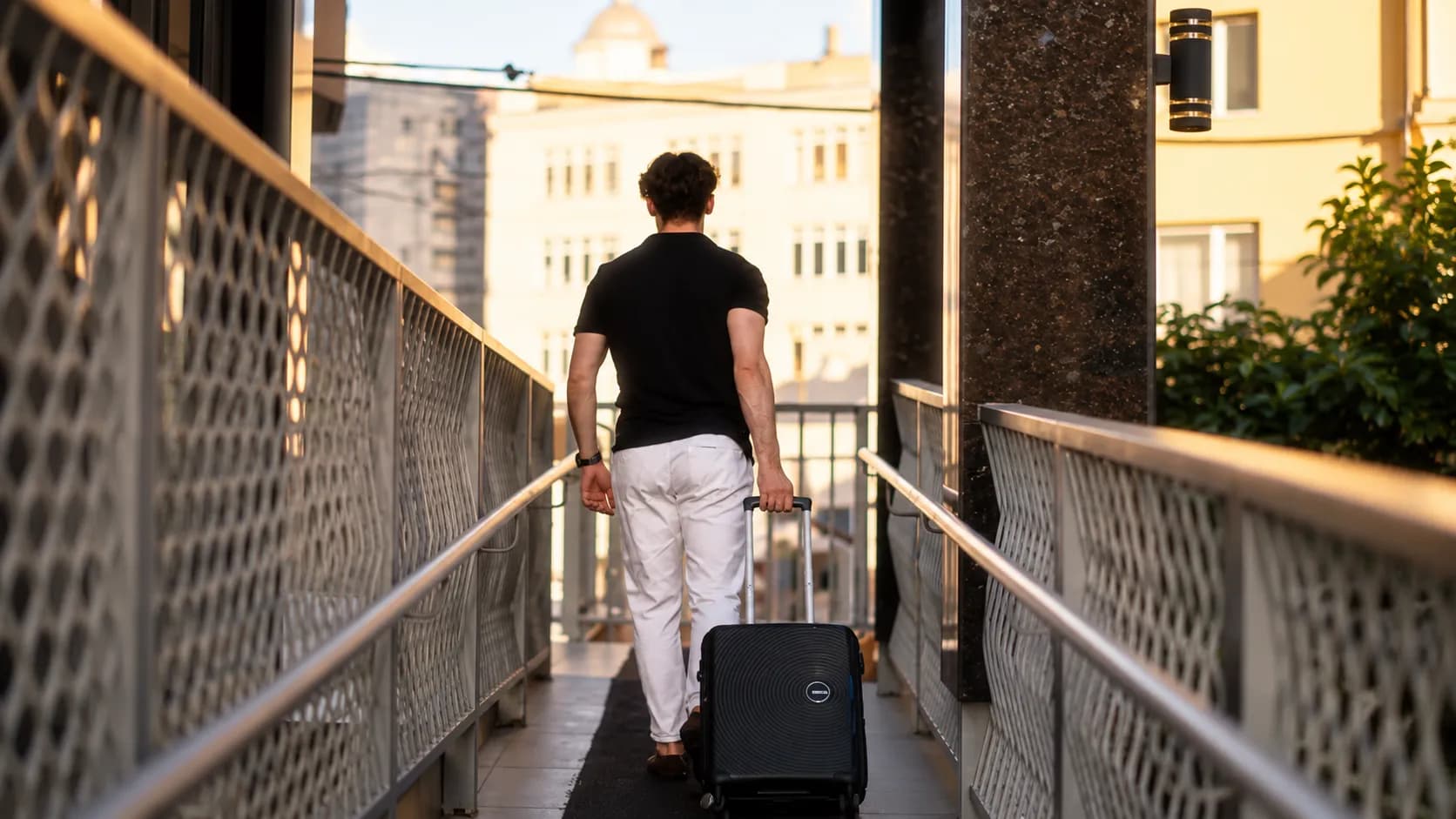
How to Plan a Trip with Friends Without Conflicts
Advice for tourists
1344
•
23 September 2026
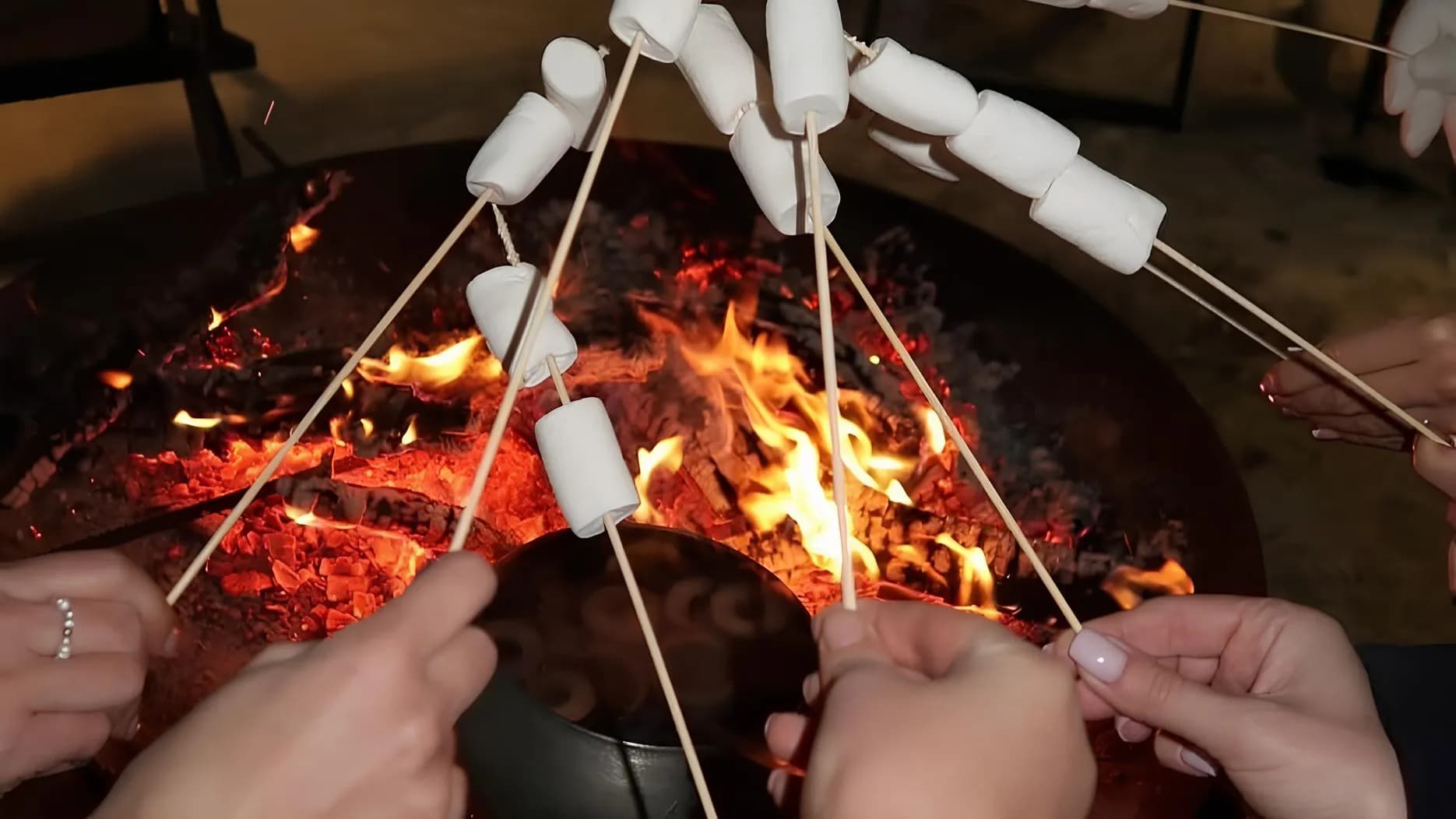
Travelling with friends is an opportunity to turn an ordinary weekend into memories that will stay with you for decades. You share vivid experiences, laugh at unexpected mishaps and make plans as you go. It is the true pleasure of freedom and good company.
However, a shared holiday can often become a serious test of your friendship. Even the closest friends can argue over small things if their expectations for the trip differ significantly. This is a natural consequence of spending a long time together in a limited space.
This happens because of constant interaction without personal space. You become hostages to one another's schedules, having to adapt to other people's habits. To avoid unnecessary tension, it is important to know how to organise your time together properly in advance. Here are proven methods to help you preserve your peace and friendship until you return home.
Why conflicts arise during a holiday
Even the closest groups can feel uncomfortable when reality does not match their plans. The root of the problem often lies in everyday details that build up like a snowball. You are tired, want to move at different paces, and this becomes a critical factor in arguments.
Here are the main factors that can spoil the mood on a trip:
- Different biorhythms: someone wants to wake up at six in the morning for a workout, while someone else dreams of sleeping until noon.
- Mismatched expectations: one person dreams of active trekking, while another wants to relax with a book by the pool.
- Financial inequality: when plans for expensive restaurants are unaffordable for one of the friends, serious discomfort arises.
- Constant presence: the fatigue of communicating 24/7 can be felt even with your best friends.
- Decision-making dictatorship: a situation where one person dictates the itinerary and everyone else has to comply for the sake of peace.
To avoid conflict, have an honest conversation before you leave. Ask your friends what they most want from the trip. Perhaps someone wants peace and quiet, while someone else wants to party until morning.
Discuss these points in detail. When you know one another's intentions, expectations become realistic. You will have a better experience if everyone shares their plans for the holiday. Take each group member's pace into account. It is always better to leave some extra time for flexibility; this will protect you from unnecessary pressure.
How to structure your travel budget wisely
Financial issues are the most common cause of arguments on group trips. When one traveller is ready to dine at restaurants with a tasting menu while another can only afford street food, tension arises. Discuss these expectations at home, before setting off.
Make a shared list of expenses and listen to everyone. An honest conversation about money can save a friendship from misunderstandings. To avoid turning your holiday into a constant account, use digital tools to track expenses, such as Splitwise.
How does it work in practice? Imagine that you have stopped at a café. One friend ordered only coffee, while another chose an expensive steak with wine. Instead of splitting the bill equally, everyone enters their own amount in the app. This way, no one feels they are “sponsoring” someone else's gastronomic experience or overpaying for another person's indulgences.
Use these tips for financial peace of mind:
- Choose a shared fund for basic expenses such as fuel, taxis or car hire.
- Install apps for tracking payments just before setting off.
- Agree on a spending limit for entertainment so there are no unpleasant surprises at the end of the week.
- Set a clear boundary between personal and shared expenses during meals.
- Discuss calmly whether to skip expensive entertainment if it is beyond your budget.
An open approach allows everyone to feel confident. It is the real key to a good holiday. When money matters are transparent, you can focus on what matters most — shared emotions and the joy of discovery.
If one of your friends has a limited budget, offer alternatives in advance. For example, organise a picnic instead of an expensive evening at a club. This will make the trip accessible to everyone in the group. Money should not be a barrier to friendship.
The art of making time for yourself
Spending all your time together is the fastest way to get on one another's nerves. Your friendship will not grow weaker if you spend a few hours apart. It is a great way to recharge your batteries and return to the group with new stories.
For example, one person wants to spend two hours shopping, while another wants to visit a local history museum. This does not mean you are going your separate ways; it means everyone is meeting their personal needs. Agree to meet in three hours for lunch together.
Suggest this format without feeling guilty about wanting some time alone. You can split up for the day according to a simple plan. Someone can visit a busy market while someone else chooses the peace and quiet of a city park. In the evening, you can all meet again around a shared table and exchange impressions.
This gives you interesting topics to discuss because everyone has their own story. Forget about the obligation to monitor every friend's actions. This freedom relieves tension throughout the group. You become not hostages to a schedule, but true holidaymakers.
Free time protects your relationships from minor domestic quarrels and tiredness. Plan this format when you are still creating your itinerary. Everyone has the right to their own space to relax. After all, you came home satisfied, not exhausted from constant supervision.
How to make group decisions without pressure
It is often tempting to hand control over to the most active member of the group. This seems convenient until you find yourself at a place no one wanted to visit. Do not let one friend carry the burden of responsibility for the entire group. Share roles so that everyone feels involved.
Resolving difficult issues becomes easier if you agree on the rules in advance. Democracy within the group protects both your nerves and your relationships. Respect everyone's choice, even when it differs from your own.
Use these simple steps to make decisions:
- Choose someone to be responsible for a particular day: you make the plans today, and someone else does so tomorrow.
- If opinions are divided, hold a quick vote, where the majority wins without hard feelings.
- Make a list of the “must-see” places each person wants to visit and add them to the schedule.
- Leave free hours in the itinerary for spontaneity so the holiday does not become a rigid schedule.
- Take turns when arguments arise over the choice of dinner or an activity.
Do not try to fit everything into one day. It is better to see less and still be friends after returning home. You will always find a compromise if you respect one another's opinions. This is the true secret to a good holiday.
How to choose a hotel for a large group
When there are four to eight of you, a standard room becomes a real challenge. Instead of squeezing into cramped rooms, consider renting several rooms next to one another. This will allow you to preserve your privacy while remaining at the heart of the action.
When choosing a location, it is important to consider more than just the distance to points of interest. Check whether there are shared spaces where you can get together. A large table or spacious terrace can save you from countless aimless walks around the city looking for somewhere with enough chairs for everyone to have dinner together.
Pay attention to the following details:
- A private kitchen or mini-bar where you can store shared food supplies.
- The option to book rooms on the same floor, so you can be close while still having your own space.
- The quality of the soundproofing: you want to discuss your plans, not listen to your neighbours' television.
- The possibility of early check-in or late check-out for large groups of travellers.
- Convenient transport links for the whole group to get around together.
Check the hotel's policy on accommodating large groups. It is easier to book your stay through the official website so you can receive confirmation for several rooms at once. This ensures that you will stay close to one another rather than at opposite ends of the building.
Your choice of accommodation is the foundation of your peace of mind. The right option will help you avoid a morning rush for the bathroom and create space for enjoyable evening conversations. Choose a place where your group will truly feel at home.
Once the itinerary and the group are ready, all that remains is to choose a comfortable place to stay together on the Ribas Hotels Group website. A good trip together does not require you to be together every second or have identical interests. What matters is agreeing on the key points and respecting one another's comfort. May this holiday become the best one on your travel list.
Search
Subscribe
to our newsletter